LUMI
A lamp that pushes back on our relationship with our screens.
- Brief
- design a product that encourages responsible social-media use
- Made with
- fully 3D-modelled · 3D-printed threaded parts · LED strips · electronics
- Status
- working artefact; the screen-time-responsive software is the next stage
My first fully 3D-modelled project, built entirely from 3D-printed parts and electronics - and my first taste of critical design. The brief was deliberately provocative: design a product that encourages responsible social-media use and raises questions about our addiction to it. Mine became a lamp, made for people living with ADHD, anxiety, social-media addiction, or some combination of the three.
Critical design - the practice Anthony Dunne and Fiona Raby describe as critical thought translated into materiality - uses speculative objects to question the role technology plays in everyday life rather than simply serving it. That framing gave me licence to design an object that argues a point. The research underneath it was behavioural: ADHD heightens the pull of social media through dopamine and a constant stream of new stimuli; FOMO sharpens it further; and anxiety and connectivity feed each other in a loop, where the relief of checking is exactly what keeps you checking. Running through the symptoms - impulsivity, restlessness, poor concentration, mood swings - one stood out as physical and addressable: sleep disturbance.
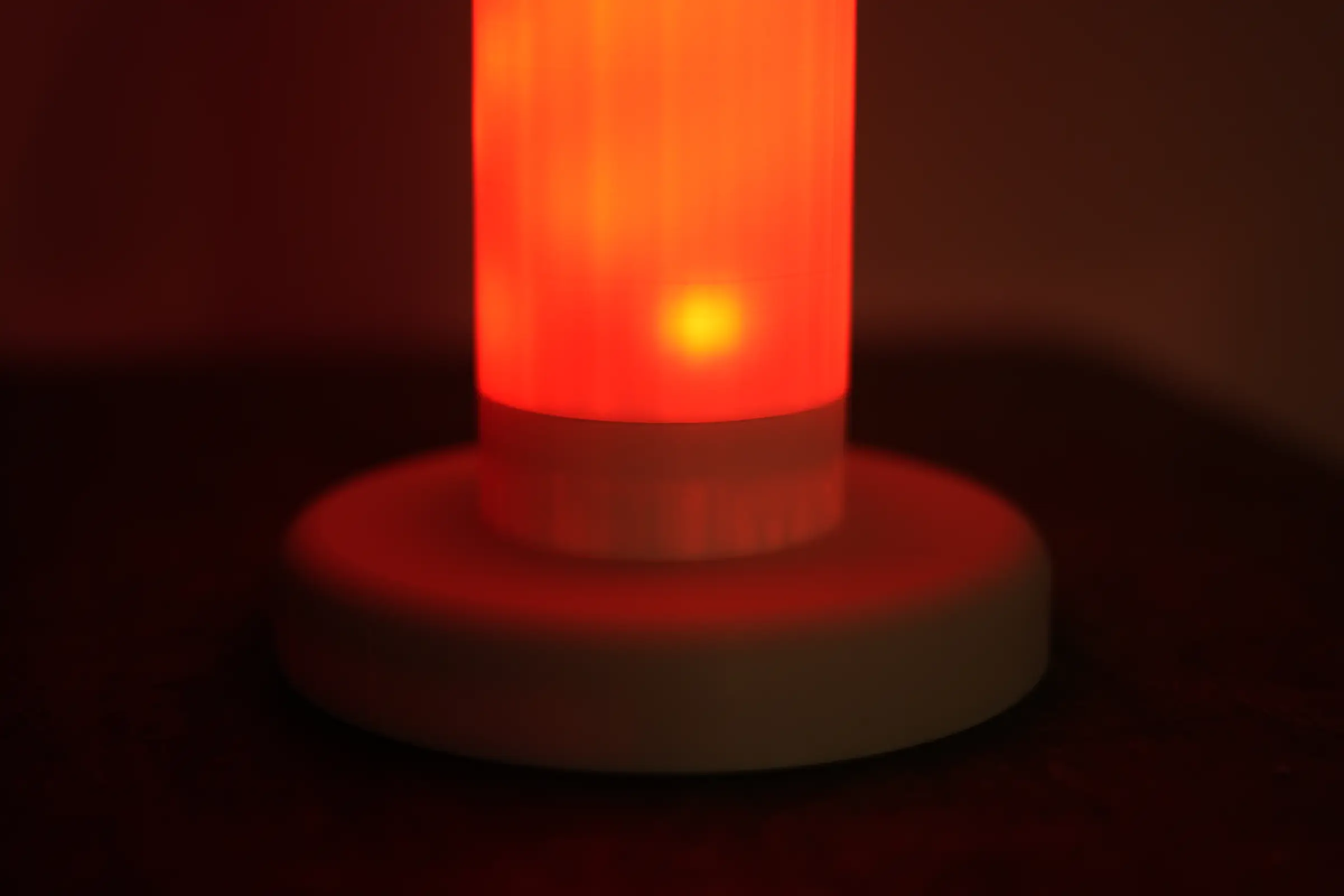
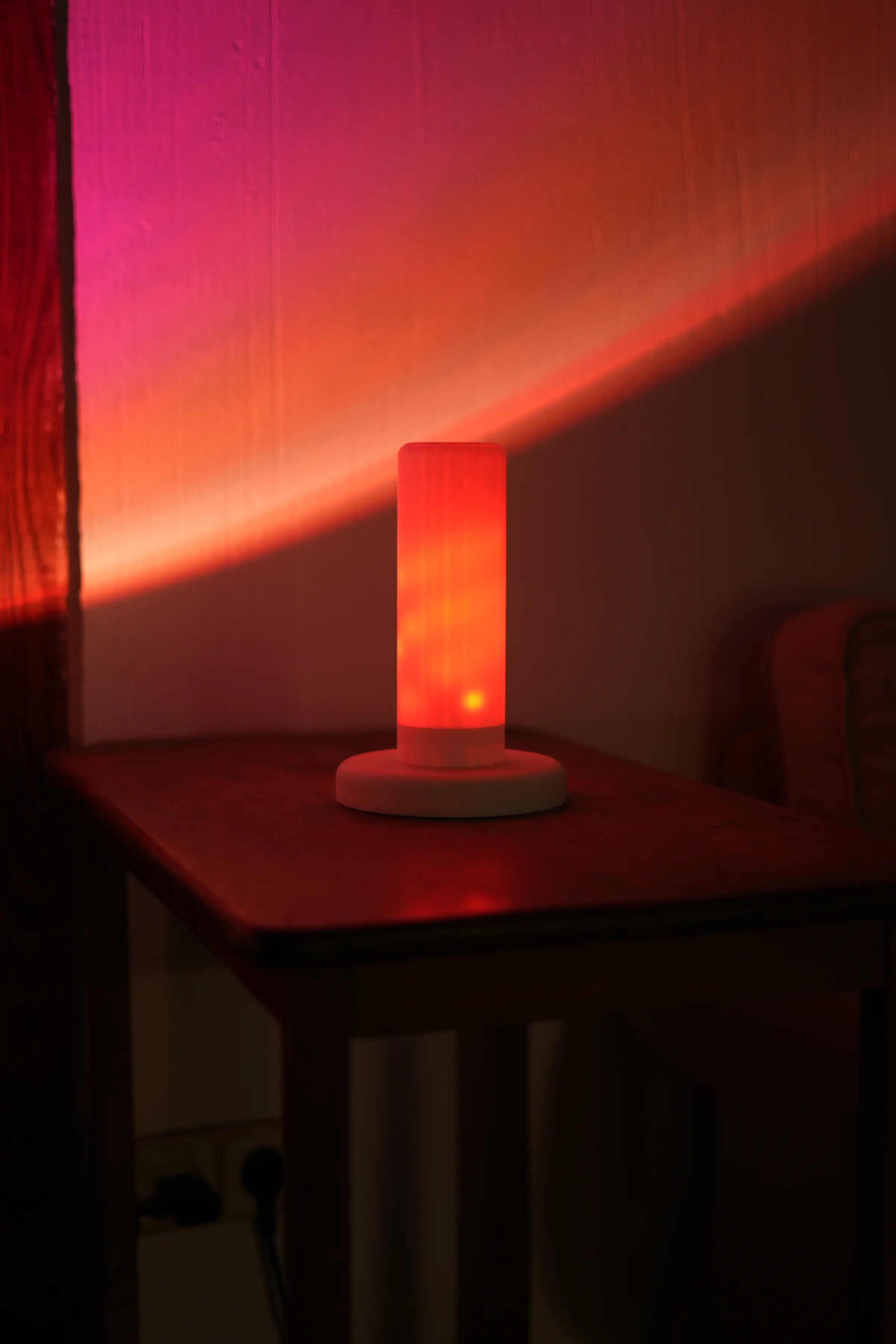
The premise is simple, and it is the whole design: the antidote to a screen should not be another screen. So instead of an app nagging you from the very device that is the problem, LUMI answers your screen time in the space around you. You set a daily screen-time goal. The lamp starts at full brightness and dims as you spend that allowance down - your remaining light is your remaining healthy time. Cross eighty percent of it and the lamp flashes red: get off your phone. It pairs over Bluetooth, and it asks its question ambiently, in the room, rather than as one more notification.
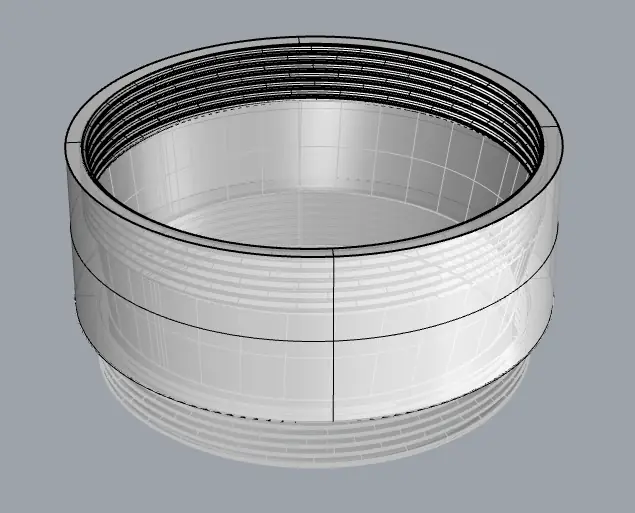
I modelled the lamp in Rhino as three threaded parts that screw together: a base holding the electronics, power and a rubber grip; a ring carrying the touch-sensitive power switch and supporting the housing; and a semi-opaque cylindrical housing for the LED strips. Designing parts that actually have to thread, align and seat together was where I learned to model for manufacture rather than just for a render - tolerances, wall thicknesses and threading pitches that hold up off the screen.
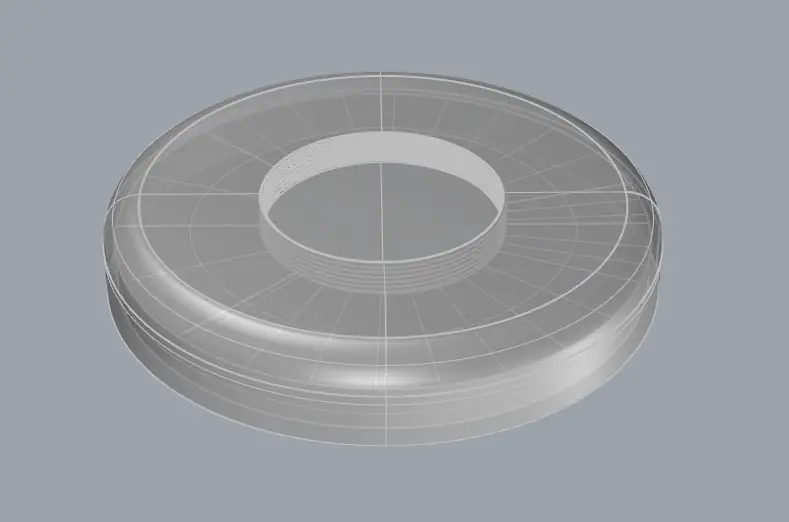
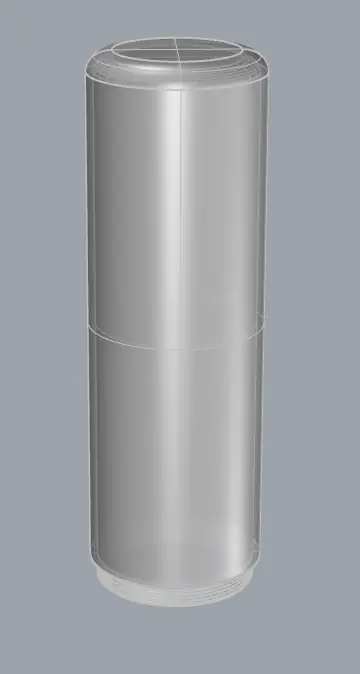
I took the model into Blender to light it, build a small set and animate it - the warm palette and the slow reveal that sell the object before you understand what it does. The render stage was as much about communicating the idea as testing the form.
What exists is a working, 3D-printed object, lit - including the red warning state the concept turns on. The screen-time tracking and the Bluetooth link are deliberately the unbuilt next stage. I would rather show the honest state of it - a finished object and an unfinished system - than pretend the hard, software half is done. As a critical-design piece, the object already does its job: it asks how we would actually want technology to intervene, and answers in light.